
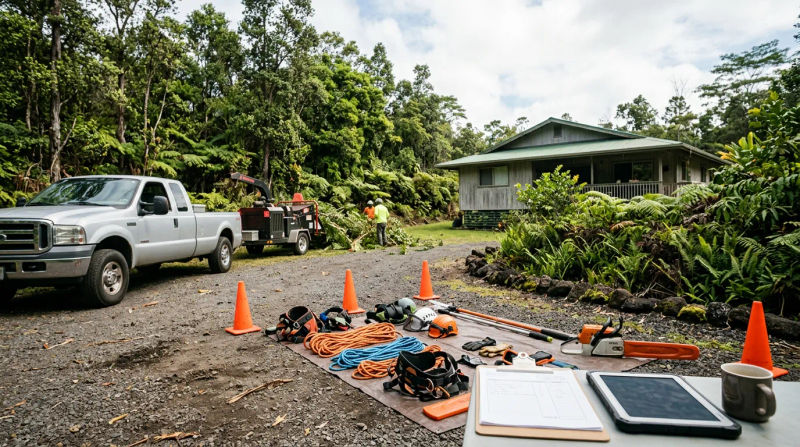
Aloha, I’m Keoni Alama. With over 12 years of experience working with landscapes here on the windward side, I’ve learned that one of the biggest questions homeowners have is about cost. It’s completely understandable. When you’re thinking about maintaining your property, especially your beautiful trees, you want to know what to expect. My goal with this guide is to pull back the curtain on tree trimming costs and give you a clear, honest look at what goes into a price quote. I believe an informed homeowner is an empowered one, so let’s talk numbers and details without any sales pressure.
Average Costs in Mountain View
Let's get right to it. While every job is unique, I can give you some realistic ballpark figures for professional tree trimming in our area. These Mountain View HI tree trimming prices generally depend on the size of the tree and the complexity of the job.
- Small Trees (under 25 feet): For smaller trees like certain varieties of hibiscus or smaller fruit trees, you can typically expect a cost between $250 and $550. These are usually straightforward jobs that don't require extensive climbing or heavy equipment.
- Medium Trees (25 to 50 feet): This category includes many of the mature mango, avocado, or lychee trees we see. Prices often range from $500 to $950. These trees require a skilled climber and more time for careful pruning and lowering of limbs.
- Large Trees (over 50 feet): For the big guys - towering monkeypods, eucalyptus, or very large ʻŌhiʻa - the cost can start around $900 and go up to $2,000 or more. These jobs are complex, demand the highest level of safety and skill, and often involve specialized equipment.
It's important to note that the tree debris hauling cost Mountain View residents pay can either be included in that price or listed as a separate line item. Always ask for clarification. The sheer volume of green waste from a large tree can be substantial.
September’s drier weather is often a great time to schedule this work. My team and I can work more efficiently, and the ground is firmer, which makes the haul-out process less likely to get bogged down in mud.
Factors That Affect Price
A quote is more than just the size of the tree. Several key factors influence the final tree trimming cost, and understanding them will help you see why one estimate might differ from another.
- Accessibility: This is a big one in Mountain View. Many of us have large, rural parcels. If a tree is far from the road, on a steep slope, or surrounded by other landscaping and structures, it takes my crew more time and effort. We might have to carry branches over long distances by hand instead of using a chipper right at the base. The practical, single-story homes from the 1970s, often on post-and-pier foundations, require us to be extra careful when positioning equipment to protect the structure and the under-house area.
- Tree Species & Health: An ʻŌhiʻa tree requires a very different approach than a fast-growing albizia. For ʻŌhiʻa, we must use specific techniques and sterilize our tools between cuts to prevent the spread of Rapid ʻŌhiʻa Death (ROD). If a tree is diseased, has dead branches, or is structurally unsound, the job becomes more hazardous and requires a higher level of expertise, which affects the price.
- Scope of the Work: What exactly do you need done? A light canopy thinning to let more light through is very different from removing large, heavy limbs overhanging your roof. Especially as we think about the late fire season, creating a “defensible space” by clearing branches away from your home is a specific task that can influence the scope and cost.
- Debris Removal: This is a significant cost factor. The time and expense to chip all the branches, load them, and haul them to a proper green waste facility are built into the price. A large tree can produce several truckloads of chips. If you have space and a use for wood chips or firewood, you might be able to save some money by keeping the debris on your property. This directly impacts the tree debris hauling cost Mountain View portion of your bill.
How to Get the Best Value
Getting the best value doesn’t mean finding the cheapest price. It means getting high-quality, safe work for a fair cost. Here are a few tips from my experience on the jobsite:
- Bundle Your Work: If you have two or three trees that need attention, it's almost always more cost-effective to have them trimmed in a single visit rather than scheduling separate appointments. The crew and equipment are already on-site, which saves on setup and travel time.
- Prioritize Safety Over a Bargain: A surprisingly low bid can be a red flag. It might mean the contractor lacks proper insurance (liability and worker's compensation) or plans to take shortcuts. An accident can end up costing you far more than you saved. Always verify a contractor's insurance.
- Be Proactive with Maintenance: Regular, light trimming is much cheaper in the long run than waiting until a tree becomes overgrown and hazardous. A small pruning job every couple of years prevents a massive, expensive overhaul later on.
- Clear the Work Area: You can help reduce labor time by moving things like patio furniture, potted plants, cars, or lawn ornaments out of the way before the crew arrives. The less time they spend moving your things, the more time they can spend on the tree.
Questions to Ask Your Contractor
When you get an estimate, you're not just buying a service; you're hiring a team to work on your property. You have every right to ask questions to ensure they are the right fit. Here are the questions I encourage all homeowners to ask:
- "Are you, your employees, and your business fully licensed and insured?" This is the most important question. Ask for proof of general liability and worker's compensation insurance. It protects you if an accident happens.
- "Will you provide a detailed, itemized written estimate?" A professional will happily do this. A written quote ensures everyone is on the same page and helps you compare bids apples-to-apples.
- "How will you trim my ʻŌhiʻa tree to prevent the spread of ROD?" Their answer will tell you if they are knowledgeable about local best practices, like sterilizing tools.
- "Is all debris cleanup and hauling included in this price?" Get clarity on this upfront to avoid surprise fees. Confirm that the final price includes leaving your property clean.
- "What methods and equipment will you use to protect my roof and the rest of my yard?" For homes with simple hip or gable roofs common in our area, it's crucial to know how they plan to lower heavy branches without causing damage.
Being prepared with these questions helps you vet a contractor and build trust from the start.
I hope this guide has given you a clearer picture of what to expect when budgeting for tree care. Proper tree trimming is an investment in the health, safety, and beauty of your property. It’s about more than just cutting branches; it’s about responsible stewardship of the beautiful environment we call home.
For a personalized ohia tree trimming estimate Mountain View residents can trust, my team is here to help. Feel free to contact Big Iland Landscaping Specialist for a free, no-obligation consultation. We're happy to walk your property with you and provide a detailed, written quote.